

Hunting Lease Math: What a Texas Lease Is Worth in 2026
How experienced operators price hunting access, and the paperwork that protects the place.

The first lease inquiry usually lands in August, and by the time the rifles come out the good places are spoken for. Somewhere in between, a landowner has to put a number on a place that has never had one, with no comps page to check and no appraisal district to lean on. The number gets set by feel, held for years out of loyalty to good tenants, and quietly undervalued the whole time.
The two pricing systems
Texas leases clear on two structures, and knowing which one your place belongs in is half the pricing question.
Per-acre. Anchors the low end and the big-country deals: marginal South Texas ground has a floor around twenty dollars an acre, while intensively managed high-fence operations effectively price above a hundred once trophy fees are counted in.
Per-gun. Rules the middle of the market, and it is where small and mid-size places usually leave money on the table. Current-season listings run from two thousand dollars for a weekend rifle package to five thousand on managed ground in the right county.
Every figure above gets confirmed with working operators before we publish it, and the honest framing is a range, not a rate card. The other thing worth printing plainly: the best leases rarely reach the open market at all. They re-sign with the same hunters year after year, which is exactly why a place that does list deserves careful pricing rather than a copied number.
The three things that move the price
Water. A stock tank that holds through the season changes what a place is worth, for game and for the hunters watching it.
Lodging. A dry bunkhouse with electricity justifies a premium out of proportion to what it costs to maintain. Hunters pay for not towing a camper.
Small groups, written limits. Leases capped at a handful of guns clear faster and at better rates than open-ended arrangements. Scarcity on paper is worth real money.
A documented management history compounds all three. Places that can show harvest records, survey data, and a few years of restraint command a different market entirely.
What the regions pay for
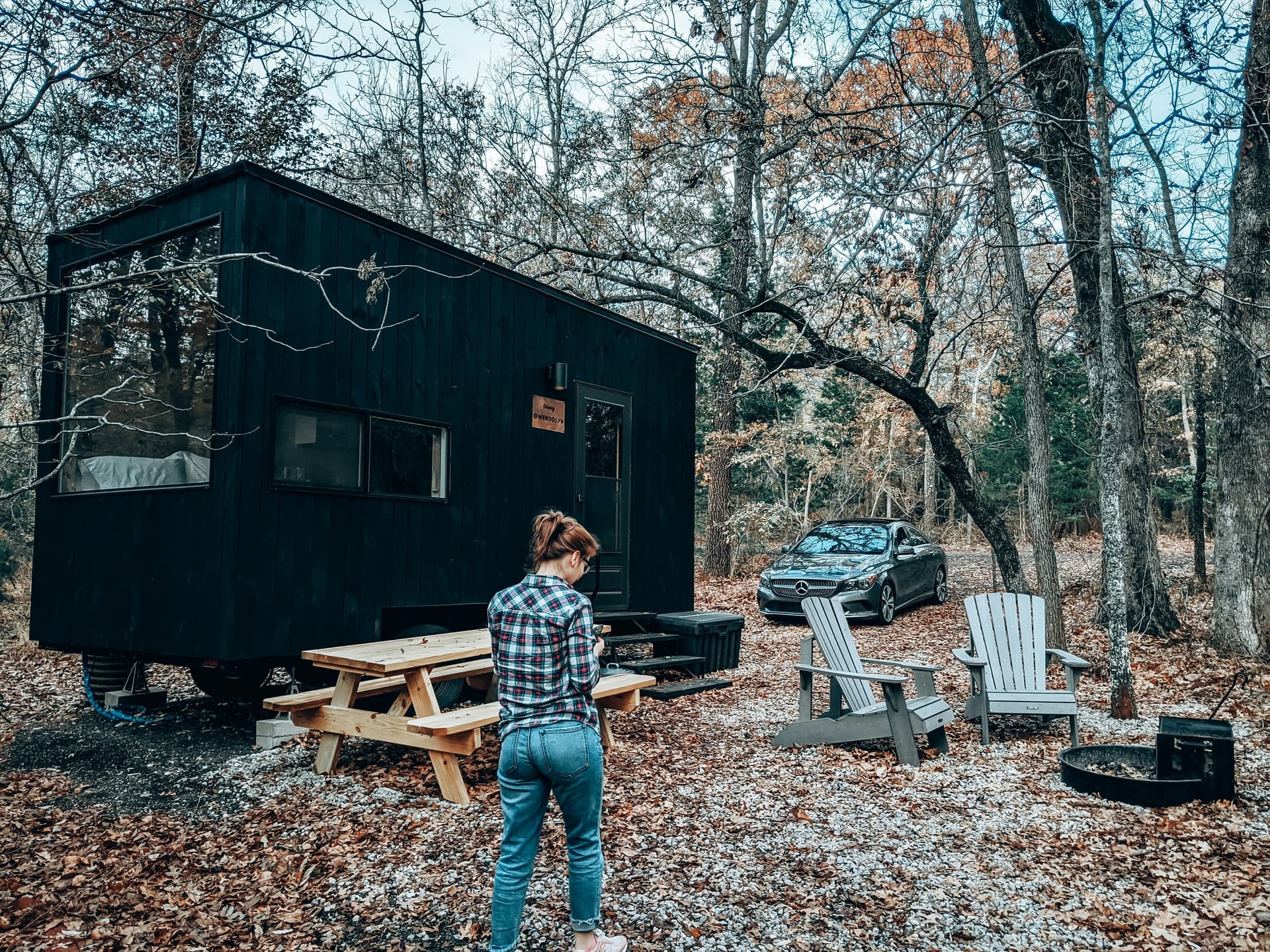
The statewide numbers hide four different markets. South Texas trophy country is its own economy: genetics, high fences, and a customer who flies in, where the lease conversation is really an outfitting conversation. The Hill Country runs on proximity, selling weekends to San Antonio and Austin families, with axis and other exotics extending the calendar past whitetail season.
The Panhandle and West Texas price differently again, where mule deer country often leases alongside grass and the hunting income supplements a cattle operation rather than replacing it. East Texas adds timber company land to the mix, which sets a regional floor lease by lease. Knowing which of these markets your county actually belongs to is worth more than any statewide average, and it is the first thing a local operator will tell you.
Setting your first number
For a landowner pricing a lease for the first time, the working sequence is short. Ask two people who lease in your county what comparable places closed at this season, not last. Price per gun with a written cap on guests, name the water and lodging premiums explicitly instead of burying them, and build a modest annual escalation into the term so the renewal conversation is arithmetic instead of negotiation.
Then hold the number. A lease that clears in a week was priced under the market; a lease still open in October was priced over it or marketed badly. Either way, the first season's result is data, and the second season's price should use it.

The layer under the price
None of the pricing matters if the paperwork fails. A Texas lease needs to be written, and the liability protections need to be real. Two statutes do most of that work when their conditions are met:
The recreational use statute. Limits a landowner's exposure when lease fees stay under a defined cap tied to the property's taxes.
The Agritourism Act. Adds protection when the required signage is posted or the required waiver language is signed.
Neither statute covers negligence, and both have specific conditions worth an attorney's hour. It is an afternoon of work, once, and it protects every season after. The Ranchers Leasing Workshop run by Texas A&M's agricultural law program walks landowners through exactly this ground each fall.
Before you quote a number for this season, find out what comparable places in your county actually closed at. TexasRanches.com can connect you with a broker or wildlife biologist who leases in your area every year.

Good ranchers know we don't do this alone. This is a place to discuss everything from legacy planning, herd management, and land stewardship to innovative revenue models shaping the next generation of ranching in Texas.
Continue the Conversation on the Forum
Join the discussion with Texas landowners, ranchers, and experts.
New to TXR? Create a free account to join the conversation.
Explore beyond the story
Browse listings, find businesses, or save this article for later.
 Listings
 Directory
Get the Newsletter
One reported story on Texas land, delivered free every month.
By signing up, you agree to receive emails from Texas Ranches. We never sell your address, and you can unsubscribe anytime.